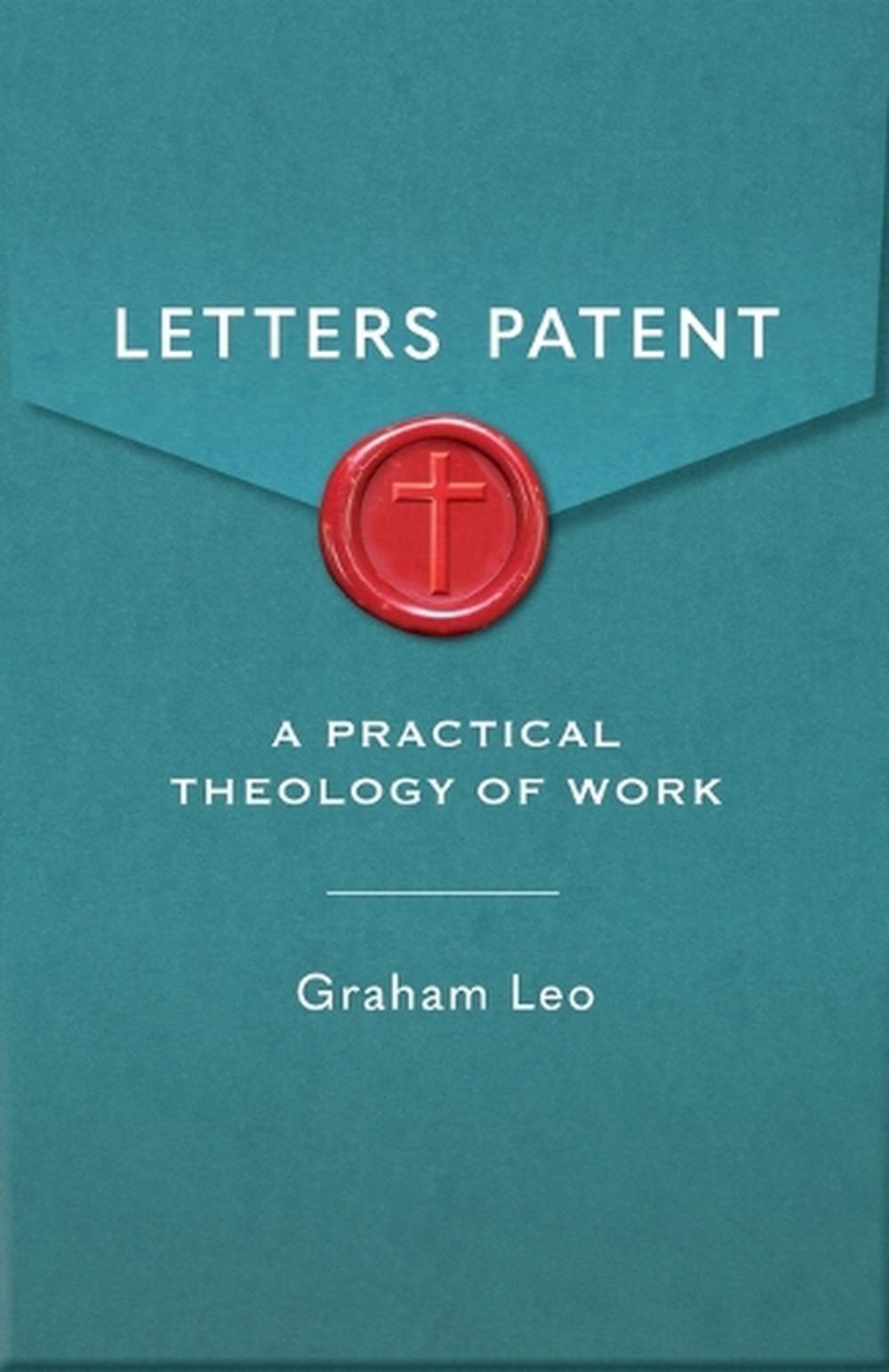
Letters Patent
A Practical Theology of Work
2019 · Morning Star Press
Based on Graham's Doctor of Ministry research, this book investigates a fundamental disconnect: churches largely ignore the working lives of their members. It builds a biblical theology of work rooted in imago Dei, vocation, and the Reformation understanding that all work — paid or unpaid — can be worship.
Buy now
Available Formats
- Publisher
- Morning Star Press
- Year
- 2019
- ISBN
- 978-0-647-53049-8
- Category
- Practical theology
Why read this book
Most Christians spend 80,000+ hours at work across their lifetime — yet the church has remarkably little to say about it. Graham's doctoral research revealed that churches systematically ignore the working lives of their members, and this book addresses that gap head-on. If you've ever felt that your faith and your Monday-to-Friday life exist in separate compartments, Letters Patent builds the bridge. Grounded in Scripture, tested in real congregations, and written for working people — not just pastors.
From the book
Everything that humans do is God's business — family, work, politics, sport, art — all of it is open to God-talk.— Graham Leo, Letters Patent
Good theology makes for good practice, while bad theology makes for bad practice.— Graham Leo, Letters Patent
To be a person who introduces someone else to Jesus is one of the greatest gifts of being human.— Graham Leo, Letters Patent
Frequently asked questions
Who is this book for?+
Working Christians who feel a disconnect between Sunday and Monday. Pastors who want to better support their congregations' working lives. Anyone asking 'does my faith have anything to say about my job?'
Is this an academic thesis?+
It's based on Graham's Doctor of Ministry research, but written for a general audience. The scholarship is there, but the language is accessible and the application is practical.
What does 'Letters Patent' mean?+
A Letters Patent is a royal decree granting rights and authority. Graham uses it as a metaphor — God has granted every person authority and purpose in their work, not just in church ministry.
Does it address unpaid work?+
Yes. Graham builds on the Reformation understanding that all work — paid employment, parenting, volunteering, caring — can be worship and has theological dignity.